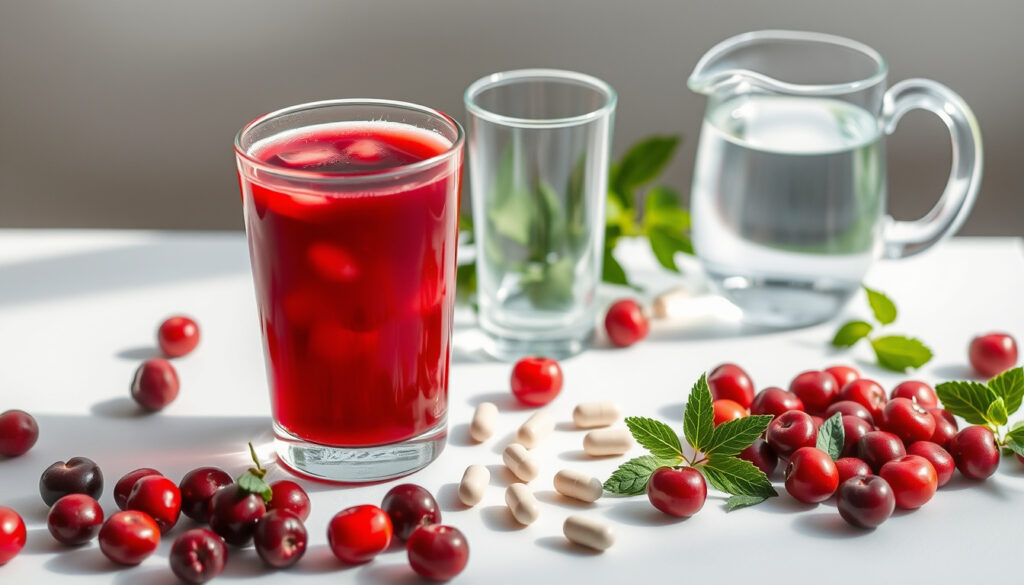
Urinary Tract Infection Treatments – Proven Remedies and Prevention
Urinary tract infections represent one of the most common bacterial infections affecting millions of people worldwide each year. Understanding the available treatment options, from prescription antibiotics to home-based supportive measures, can help patients make informed decisions about managing this often painful condition.
The approach to treating UTIs has evolved considerably in recent years, with growing awareness of antibiotic resistance prompting increased interest in alternative and complementary strategies. While antibiotics remain the standard of care for acute infections, particularly in women with uncomplicated presentations, a range of non-antibiotic options now exist for both treatment and prevention.
This guide examines the evidence behind various UTI treatments, from short-course antibiotic protocols supported by organizations like the American Urological Association to natural remedies backed by clinical research. Understanding the benefits and limitations of each approach enables individuals to work with their healthcare providers in selecting the most appropriate treatment strategy for their specific circumstances.
What Are the Best Treatments for Urinary Tract Infections?
Antibiotics continue to serve as the cornerstone for treating active urinary tract infections, especially in cases where symptoms are clear and complications are absent. According to Mayo Clinic guidelines, short-course antibiotic therapy represents the standard approach for uncomplicated UTIs, with treatment typically initiated without waiting for culture results when symptoms are typical mayoclinic.org. This approach allows for rapid symptom relief while minimizing unnecessary delays in treatment.
Antibiotics
Nitrofurantoin and Trimethoprim-sulfamethoxazole represent first-line options for most uncomplicated infections
Home Remedies
Cranberry supplements and increased hydration provide supportive evidence for prevention
Treatment Duration
Uncomplicated cases typically resolve within 3-7 days of antibiotic initiation
When to Seek Help
Fever, back pain, or symptoms lasting beyond 48 hours require professional evaluation
The American Urological Association specifically recommends antibiotics as first-line treatment for uncomplicated UTIs in non-pregnant women presenting without fever or flank pain michiganmedicine.org. This recommendation reflects the high efficacy of antibiotic therapy, which typically produces noticeable symptom improvement within one to three days of initiating treatment.
For recurrent infections, healthcare providers may recommend several antibiotic-based strategies. These include self-start therapy, where patients initiate treatment at the first sign of symptoms, post-intercourse single-dose prophylaxis for infections linked to sexual activity, and low-dose preventive therapy extending six months or longer. Research published in peer-reviewed literature documents that prophylactic antibiotics can reduce recurrence rates by approximately 85% compared to placebo pmc.ncbi.nlm.nih.gov.
However, long-term antibiotic use carries notable concerns. Harvard Health publications highlight that extended antibiotic courses may reduce treatment efficacy over time while increasing the likelihood of side effects such as nausea and contributing to broader antibiotic resistance concerns health.harvard.edu. These considerations have driven increased interest in non-antibiotic alternatives for both treatment and prevention of recurrent infections.
- 95% efficacy for antibiotics in treating uncomplicated UTIs when used appropriately
- 3-day courses of nitrofurantoin or trimethoprim-sulfamethoxazole represent standard protocols
- 85% reduction in recurrence achieved through prophylactic antibiotic therapy
- 40% of uncomplicated cases may resolve without antibiotics through supportive measures
- Resistance concerns have prompted guidelines to minimize unnecessary antibiotic prescriptions
- Culture-guided therapy remains important for complicated or treatment-resistant cases
| Treatment Type | Common Examples | Key Advantages | Notable Limitations |
|---|---|---|---|
| Antibiotic Therapy | Nitrofurantoin, Trimethoprim-sulfamethoxazole | Fast symptom relief, high cure rates for uncomplicated cases | Resistance development, potential side effects, disrupts beneficial bacteria |
| Preventive Antibiotics | Post-coital dosing, low-dose daily regimens | 85% recurrence reduction for eligible patients | Long-term resistance concerns, requires physician oversight |
| Methenamine | Hiprex, Urex (OTC and prescription) | No resistance development, formaldehyde mechanism targets bacteria | Less effective for acute infection, requires acidic urine |
| Cranberry Products | High-PAC supplements, juice (600-700 cal/day) | Natural option, demonstrated non-inferiority to antibiotics in one study | High calorie requirements for juice, variable supplement quality |
| D-Mannose | Powder or capsule supplements | 90% resolution in small study, matched antibiotics for prevention | Limited large-scale validation, slower than antibiotics for acute cases |
| Probiotics | Lactobacillus suppositories, fermented foods | Restores vaginal and urinary microbiome balance | Variable strain effectiveness, requires consistent use |
Can UTIs Be Treated Effectively at Home?
Evidence suggests that a significant proportion of uncomplicated urinary tract infections may resolve without antibiotic intervention. Harvard Health reports that up to 40% of uncomplicated UTIs may resolve through supportive measures alone. However, this natural resolution process typically requires more time and carries greater uncertainty than antibiotic treatment, making home management appropriate primarily for mild cases without complicating factors.
Hydration and Natural Support
Increasing fluid intake represents the most fundamental home-based intervention for UTI management. The Urology Foundation emphasizes that drinking plenty of water helps flush bacteria from the urinary tract, mechanically supporting the body’s natural defense mechanisms theurologyfoundation.org. This simple measure can accelerate symptom improvement while reducing bacterial concentrations in the bladder.
Cranberry products have garnered substantial research attention as a natural approach to UTI management. High-proanthocyanidin (PAC) supplements demonstrate particular promise, with one six-month study of 308 women finding cranberry as effective as antibiotics for preventing recurrence michiganmedicine.org. The advantage of supplementation over cranberry juice lies in achieving therapeutic PAC levels without the substantial caloric intake that juice consumption would require.
D-Mannose and Probiotics
D-mannose, a naturally occurring sugar, has emerged as a promising option for both treatment and prevention. A 2016 study involving 43 women reported 90% resolution rates with 1.5 gram doses. A separate 2013 investigation following 308 women found that 2 grams daily matched the preventive efficacy of antibiotics over a six-month period healthline.com.
Natural remedies show promising results, but many findings come from small studies with limited populations. The evidence supports their use primarily for prevention and as complementary measures rather than as standalone treatments for active infections. Consulting a healthcare provider remains essential before relying solely on home-based approaches for symptomatic UTIs.
Probiotics containing Lactobacillus strains work by restoring the natural balance of bacteria in the vaginal and urinary tract. Harvard Health recommends incorporating Lactobacillus-rich foods such as yogurt, kefir, and sauerkraut, or using targeted probiotic suppositories to support urinary health and reduce recurrence risk health.harvard.edu.
Over-the-Counter Symptom Relief
Several over-the-counter options exist for managing UTI symptoms without prescription antibiotics. The Urology Foundation notes that paracetamol or ibuprofen can provide effective symptom relief while the infection resolves theurologyfoundation.org. These medications address pain and discomfort without treating the underlying infection.
Methenamine hippurate products such as Hiprex function as urinary antiseptics that prevent bacterial growth without contributing to resistance development. Harvard Health describes how methenamine works by generating formaldehyde in acidic urine, creating an environment hostile to bacterial survival. This mechanism distinguishes it from traditional antibiotics and explains its utility in long-term prevention strategies.
While antibiotics typically produce symptom improvement within one to three days, natural remedies like D-mannose may require approximately 15 days for comparable results in small study populations. Patients choosing home-based approaches should expect a longer resolution timeline and monitor symptoms closely for any worsening that would necessitate medical intervention.
When Should You See a Doctor for a UTI?
Certain symptoms and circumstances warrant prompt professional medical evaluation rather than continued home management. Infections accompanied by fever, chills, or flank pain suggesting kidney involvement require immediate attention, as do symptoms that persist beyond 48 hours despite home treatment measures. Blood in the urine, severe pain, or vomiting similarly indicate the need for physician evaluation.
Pregnant women experiencing UTI symptoms should seek medical care promptly, as untreated infections during pregnancy carry risks for both mother and baby. Mayo Clinic guidelines recommend standard antibiotic therapy for pregnant patients with confirmed UTIs, noting that estrogen-based treatments remain contraindicated in this population mayoclinic.org.
Men experiencing urinary tract infections require medical evaluation to identify any underlying conditions contributing to infection risk. According to health guidance from Dr. Berg, male UTIs occur less frequently than in women but often indicate anatomical or functional abnormalities warranting investigation drberg.com.
Children presenting with UTI symptoms require professional evaluation without exception, as pediatric infections carry particular risk for renal complications. No specific data exists for treatment protocols in pediatric populations, making individualized medical assessment essential. Those seeking local healthcare services can explore options such as Cooleman Court Medical Centre – Doctors, Services and Hours for provider information in their area.
Left untreated, urinary tract infections can progress to kidney infections (pyelonephritis), causing permanent kidney damage or sepsis. Symptoms suggesting kidney involvement include fever exceeding 38°C, chills, shaking, nausea, and pain radiating from the back to the groin. Any combination of these symptoms warrants emergency evaluation.
Recurrent infections, defined as three or more UTIs within 12 months or two or more within six months, also merit medical consultation. Michigan Medicine highlights that recurrent cases often respond to non-antibiotic approaches including methenamine and vaccine therapy, which reduce reliance on traditional antibiotics while maintaining effective prevention michiganmedicine.org.
How to Manage and Prevent Recurrent UTIs?
Preventing recurrent urinary tract infections requires addressing underlying risk factors while implementing evidence-based strategies. Mayo Clinic recommendations emphasize several behavioral modifications that can significantly reduce infection frequency without pharmaceutical intervention mayoclinic.org.
Hygiene and Behavioral Measures
Simple hygiene practices form the foundation of UTI prevention. Harvard Health advises urinating before and after sexual activity, wiping from front to back after bathroom use, and maintaining adequate hydration throughout the day. These measures reduce bacterial introduction and flush potential pathogens before they establish infection.
Managing constipation through adequate fiber intake and regular exercise contributes to urinary health by reducing pressure on the bladder and minimizing bacterial colonization in surrounding tissues. Mayo Clinic specifically identifies constipation management as a component of comprehensive UTI prevention.
Specialized Approaches for At-Risk Populations
Perimenopausal and postmenopausal women may benefit significantly from vaginal estrogen therapy. Harvard Health notes that declining estrogen levels alter the vaginal microbiome, increasing susceptibility to urinary pathogens health.harvard.edu. Localized estrogen application helps restore protective bacterial populations and maintains urogenital tissue integrity.
The Uromune vaccine represents an emerging option for individuals experiencing frequent recurrences. This sublingual spray contains inactivated bacterial strains and has demonstrated substantial efficacy in clinical trials. Michigan Medicine reports that Uromune reduced UTI frequency by 60-70% across multiple investigations, with one study of 75 women showing 78% remained recurrence-free during three months of treatment plus one year of follow-up michiganmedicine.org.
Combining Prevention Strategies
Research indicates that combining multiple prevention approaches yields superior results compared to single interventions. Harvard Health suggests that synergistic combinations, such as probiotics paired with methenamine, provide enhanced protection for individuals with recurrent infection patterns health.harvard.edu.
Effective prevention of recurrent UTIs typically requires sustained commitment to multiple strategies over extended periods. Six-month courses of D-mannose or cranberry supplementation have demonstrated effectiveness comparable to antibiotic prophylaxis, while the Uromune vaccine requires three to twelve months to achieve optimal results. Patients should work with healthcare providers to establish realistic expectations and monitor response to chosen interventions.
Treatment Response Timeline
Understanding how long different treatments require to produce results helps patients set appropriate expectations and recognize when interventions may need adjustment.
- Day 1: Symptoms appear, including burning during urination, increased urinary frequency, and bladder discomfort. At this point, if using antibiotics, the first dose should be taken as prescribed.
- Day 2-3: Antibiotic therapy typically produces noticeable symptom improvement, with most patients experiencing reduced burning and fewer urgent bathroom trips. Symptom relief in this timeframe confirms appropriate treatment selection.
- Day 5-7: Completing the full antibiotic course is essential even if symptoms resolve earlier. This ensures bacterial eradication and reduces the risk of recurrence or resistance development.
- Day 14: Follow-up testing may be recommended for complicated infections, pregnancy-related UTIs, or recurrent cases to confirm resolution. Urine culture can verify that bacteria have been eliminated.
- Month 3-6: For patients using preventive therapies like methenamine, probiotics, or the Uromune vaccine, this period represents the expected timeline for assessing preventive efficacy. Research shows 65-78% reduction in recurrence during these intervention windows pmc.ncbi.nlm.nih.gov.
Established Facts Versus Remaining Uncertainties
Well-Established Information
- Antibiotics remain highly effective (approximately 95%) for uncomplicated UTIs
- Short 3-day courses are adequate for most uncomplicated cases
- Cranberry with high PAC concentration can prevent recurrence
- Methenamine works through formaldehyde mechanism without resistance
- Hydration supports natural bacterial clearance
- Proper hygiene reduces infection risk
Areas of Uncertainty
- Long-term safety data for D-mannose in specific populations remains limited
- Optimal dosing for many natural remedies has not been standardized
- Specific treatment guidelines for pediatric UTIs require more research
- Comparative effectiveness between combined approaches versus single interventions
- Precise role of diet and supplements in UTI prevention for all individuals
- Best protocols for men with uncomplicated first-time infections
Understanding Urinary Tract Infections
Urinary tract infections occur when bacteria, most commonly Escherichia coli from the digestive system, enter the urethra and multiply in the bladder. The female anatomy, with a shorter urethra closer to the anus, explains why women experience UTIs far more frequently than men. Most infections remain confined to the bladder, causing the characteristic symptoms of burning, urgency, and pelvic discomfort.
Several factors increase UTI risk beyond anatomical considerations. Sexual activity, certain contraceptive methods like diaphragms, menopause, pregnancy, and conditions affecting immune function all contribute to susceptibility. Urinary tract abnormalities, catheters, and recent urinary procedures similarly elevate risk by compromising natural protective mechanisms.
Complications can arise when infections ascend to the kidneys, potentially causing permanent damage or spreading bacteria into the bloodstream. Septicemia represents a particularly serious consequence, requiring aggressive antibiotic treatment and sometimes hospitalization. Early recognition of symptoms requiring medical attention helps prevent these outcomes.
What Healthcare Professionals Say
“For uncomplicated urinary tract infections, short-course antibiotic therapy remains the standard of care. However, for recurrent cases, exploring non-antibiotic options like methenamine or cranberry prophylaxis can reduce antibiotic exposure while maintaining effective prevention.”
— Michigan Medicine Health Lab reporting on current clinical guidelines
“Up to 40% of uncomplicated UTIs may resolve with supportive measures alone. This suggests that our bodies have meaningful capacity to combat these infections when given appropriate support through hydration and time.”
— Harvard Health Women’s Health publication
Key Takeaways for UTI Treatment
Treatment selection for urinary tract infections depends significantly on symptom severity, infection history, and individual health factors. Antibiotics provide rapid, reliable relief for active infections, with short courses proving effective for uncomplicated cases. However, growing antibiotic resistance concerns have led clinical guidelines to recommend minimizing unnecessary prescriptions.
Home-based approaches including hydration, cranberry supplementation, and D-mannose show meaningful evidence for both prevention and as complementary measures during active infections. These options prove particularly valuable for recurrent UTI management, where reducing cumulative antibiotic exposure offers meaningful benefits.
For persistent symptoms, complicated presentations, or infections in special populations such as pregnant women and children, professional medical evaluation remains essential. Healthcare providers can confirm diagnosis through urinalysis and culture, select appropriate treatment based on local resistance patterns, and identify any underlying conditions contributing to recurrent infections.
Additionally, understanding broader approaches to healthcare management, including Palliative Care Meaning – Definition Vs Hospice and Timing, provides context for how different medical conditions are approached across the spectrum of care.
Frequently Asked Questions
Can a UTI go away on its own without treatment?
Research indicates up to 40% of uncomplicated UTIs may resolve naturally with supportive measures like increased hydration. However, this process takes longer than antibiotic treatment and carries uncertainty. Medical evaluation remains important if symptoms worsen or persist beyond 48 hours.
What is the fastest way to get rid of a UTI at home?
Increasing fluid intake immediately begins flushing bacteria from the urinary tract. Adding cranberry supplements with high proanthocyanidin content provides additional support. While these measures help, antibiotics remain the fastest route to symptom resolution if infection is confirmed.
Are cranberry supplements actually effective for UTIs?
High-PAC cranberry supplements have demonstrated effectiveness comparable to antibiotics in preventing recurrence according to a six-month study of 308 women. Standard cranberry juice requires impractical volumes (600-700 calories daily) to achieve therapeutic levels.
How long does it take for antibiotics to work on a UTI?
Most patients notice symptom improvement within one to three days of starting antibiotic therapy. Completing the full prescribed course, typically three to seven days, ensures complete bacterial eradication and reduces recurrence risk.
What over-the-counter options exist for UTI symptom relief?
Paracetamol and ibuprofen address pain and discomfort while the infection resolves. Methenamine products like Hiprex function as urinary antiseptics preventing bacterial growth. Cranberry supplements and D-mannose provide evidence-based prevention support.
Are natural remedies like D-mannose safe to use?
D-mannose shows promising results in small studies with 90% resolution rates reported. It appears generally safe but large-scale safety data remains limited. Consulting a healthcare provider before using natural remedies for symptomatic infections remains advisable.
What treatments are available for recurrent UTIs?
Multiple options exist including self-start antibiotic therapy, post-coital prophylaxis, low-dose preventive antibiotics, methenamine, cranberry supplements, probiotics, and the Uromune vaccine. Non-antibiotic approaches particularly benefit patients concerned about resistance development.
Can I treat a UTI during pregnancy without antibiotics?
Standard antibiotic therapy remains preferred during pregnancy due to infection risks for both mother and baby. Pregnant women should consult healthcare providers promptly upon symptom recognition rather than attempting home treatment alone.
More related posts
 James Corden: What Happened to the Late Show Host
 Weight Loss Calculator: How to Use It and Why It Might Be Wrong
 Legally Blonde 2025: Netflix, Age Rating & Parental Guide
 Dow Jones Futures Live: Price, Predictions & Trading Hours
 Galaxy Z Flip to Buy: Best Deals and Prices in Ireland
 Chris Minns: Biography, Age, Salary, Family and More
 Find My School: How to Look Up Your Roll Number in Ireland
 Beef Mince Recipes for Quick Dinners & Health Tips
