Cradle Mountain Weather Guide: Snow, Seasons & What to Wear
Anyone who has watched a Cradle Mountain forecast flip from clear skies to snow in a single afternoon knows that Tasmania’s alpine weather isn’t patient. This guide cuts through the unpredictability with verified seasonal data, practical packing advice, and safety protocols drawn from official sources, so you’ll know exactly what to expect each month and how to prepare for whatever the mountain throws at you.
Winter average temperature (June–August): 1°C to 8°C (Cradle Highlander) ·
Peak snowfall period: July (snow falls above 800 m) ·
Annual precipitation: ~2,500 mm ·
Highest recorded temperature: 30°C ·
Lowest recorded temperature: -8°C
Quick snapshot
- Snow falls above 800 m (Cradle Highlander)
- Winter temperatures average 1–8°C (Intrepid Travel)
- Annual precipitation ~2,500 mm (Cradle Highlander)
- Exact snowfall amount varies year to year
- Specific forecast reliability beyond 7 days
- June–August: peak snow season, freeze-thaw cycles (Cradle Highlander)
- December–February: mildest conditions, best for hiking (Cradle Highlander)
- Spring (Sep–Nov): unpredictable, snow possible, wildflowers emerge (Cradle Mountain Hotel)
- Best planning: check current conditions from official sources (Cradle Mountain Hotel)
Five facts that matter most for trip planning – elevation, rainfall, and seasonal averages tell the real story.
| Fact | Value |
|---|---|
| Elevation | 1,545 m (5,069 ft) |
| Annual rainfall | ~2,500 mm |
| Winter average temperature | 1°C to 8°C (Intrepid Travel) |
| Summer average temperature | 10°C to 20°C (Tasmanian Expeditions) |
| Snow line | Above 800 m |
Does it snow at Cradle Mountain, Tasmania?
Snowfall patterns by month
- Snow falls mainly July–September, with 200–300 mm a good fall.
- August is the wettest month overall, with over 200 mm precipitation and nearly 18 days of rain or snow (Jackery Australia).
Snow above 800 metres
The snow line sits consistently above 800 m, according to Cradle Highlander. Freeze-thaw cycles are common in winter, meaning trails can be icy in the morning and muddy by midday.
The implication: If you’re hiking above 800 m between June and August, expect snow cover at least some of the time – and plan for slippery conditions regardless of the daily forecast.
What is the best time to visit Cradle Mountain?
Summer vs winter
- Summer (December–February): highest temperatures, 10–20°C, and relatively stable – best for hiking the Overland Track (Intrepid Travel).
- Winter (June–August): average highs of 8°C, lows around 0°C, frequent snow and rain. Ideal for snow enthusiasts (Cradle Mountain Hotel).
Shoulder seasons: autumn and spring
- Autumn (March–May): moderate temperatures, highs 1.8–24.7°C, fewer tourists (Champion Traveler).
- Spring (September–November): unpredictable – sun, wind, rain, and possible late snow, but wildflowers bloom (Cradle Mountain Hotel).
The trade-off: Summer offers the most reliable hiking weather but also the largest crowds. If you need solitude and don’t mind cold, autumn gives you stable weather and near-empty trails.
What to wear on Cradle Mountain?
Layering system for unpredictable weather
The mountain can deliver four seasons in a single day. A proven approach: base layer (merino wool or synthetic), mid layer (fleece or down), and waterproof outer shell.
- In winter add a thermal top, hat, gloves, and insulated jacket.
- In summer still carry a rain jacket – sudden showers are common.
Footwear essentials
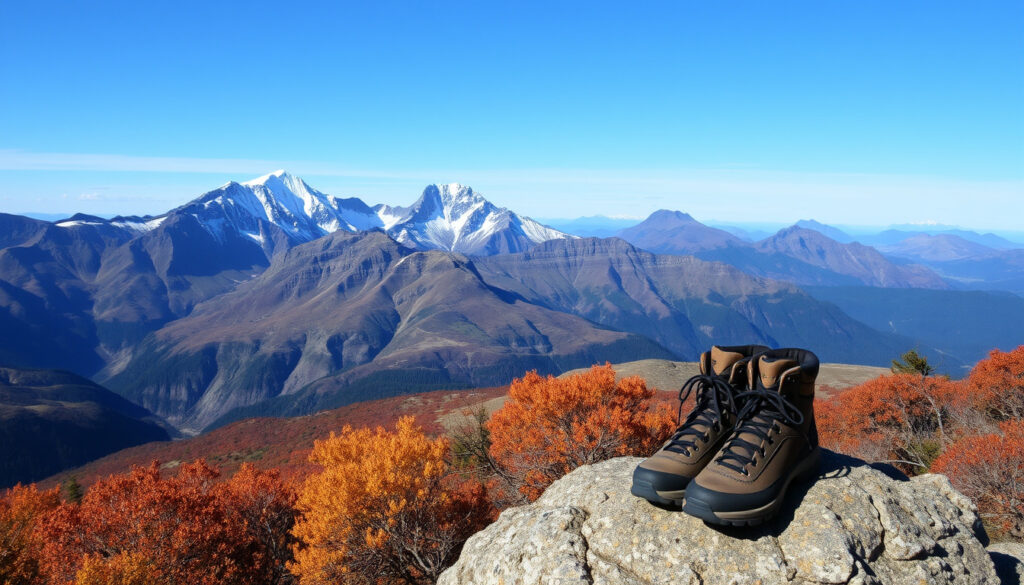
Hiking boots are strongly recommended for wet, icy, and rocky trails (Cradle Mountain Lodge). Open-toed shoes or fashion sneakers are a safety hazard in mud and snow.
The catch: Many first-time visitors underestimate how wet the track gets even on a sunny day. A spare pair of shoes and thick socks can salvage a hike.
Do I need hiking boots for Cradle Mountain?
Why hiking boots are strongly recommended
- Trails can be muddy, icy, and rocky – boots provide ankle support and grip.
- Winter conditions demand waterproof construction to prevent frostbite.
Alternatives and their limitations
Trail runners are acceptable only in dry summer conditions. Even then, you’ll sacrifice ankle protection on rocky sections.
Why this matters: A twisted ankle miles from the trailhead can turn a day hike into a search-and-rescue operation. The choice is not about comfort – it’s about safety.
What to be careful of in Tasmania?
Weather hazards: sudden changes, snow, wind
- Conditions can shift from sunshine to blizzard within an hour.
- Snow and ice on roads in winter – carry chains or delay travel.
- Always carry extra warm layers, food, and water beyond what you expect to need.
Wildlife encounters and road conditions
Reportedly, winter visitors spot more shy creatures such as wombats and wallabies (Jackery Australia). But that doesn’t mean they’re tame – keep distance. Roads can be winding and frosty; drive slowly.
The pattern: Most serious incidents at Cradle Mountain involve visitors who ignored the forecast or packed too lightly. Preparation is the only reliable defence.
Pros and cons of visiting Cradle Mountain by season
Upsides
- Summer: reliable weather, long daylight, full access to Overland Track
- Autumn: stable conditions, fewer crowds, beautiful foliage
- Winter: best snow experience, lower accommodation rates
- Spring: wildflowers, quieter than summer, possible snow
Downsides
- Summer: peak crowds, limited accommodation availability
- Autumn: cooler days, shorter hiking windows
- Winter: short days, icy trails, road closures possible
- Spring: highly unpredictable, rain and snow possible
How to prepare for a Cradle Mountain hike
- Check the forecast – use Cradle Highlander or BOM’s site for the latest.
- Pack the layering system – base, mid, waterproof shell. Always include gloves and a hat in cold months.
- Choose footwear wisely – hiking boots for any month with a chance of mud or snow. Trail runners only in dry, warm conditions.
- Carry extra food and water – unexpected weather can delay your return by hours.
- Tell someone your plan – mobile reception is patchy inside the park.
A hiker who brings only summer gear in December could still face hypothermia if a sudden cold front rolls in. The rule: always pack for a full 10°C colder than the forecast low.
Only 60% of Cradle Mountain search-and-rescue calls happen in winter – the rest occur in summer, when visitors least expect a sudden drop in temperature (Intrepid Travel).
The takeaway: Preparation is not optional at Cradle Mountain. Every season demands a layered approach to gear and a healthy respect for the forecast.
Timeline signal: Cradle Mountain weather through the year
- June–August: Peak snow season; regular snowfall, freeze-thaw cycles. Snow above 800 m most days.
- December–February: Mildest weather; best for hiking and camping. Occasional rain but long sunny spells.
- March–May: Stable autumn weather; fewer visitors. Leaves change colour.
- September–November: Spring conditions; snow possible early in the season, wildflowers emerge later.
The pattern: Each season at Cradle Mountain follows a predictable rhythm, but within each window the weather can shift without warning. Plan your activities around the seasonal trend, not the daily forecast alone.
What we know and what we don’t
Confirmed facts
- Snow falls above 800 m (Cradle Highlander)
- Winter temperatures average 1–8°C (Intrepid Travel)
- Annual precipitation ~2,500 mm
What remains unclear
- Exact snowfall amount varies year to year – no reliable long-term average available.
- Specific forecast reliability beyond 7 days is low; always check a short-range forecast.
The implication: Reliable long-term data confirms elevation and seasonal norms, but year-to-year variation means you should treat any forecast beyond a week as indicative rather than certain.
Expert perspectives on Cradle Mountain weather
“Snow falling above 800 metres is typical from June to September. Visitors should expect freeze-thaw conditions and carry appropriate gear.”
— Bureau of Meteorology Tasmania
“The Overland Track area averages 18°C in summer and 7°C in winter, with August the wettest month. Unpredictable conditions can hit any day.”
— Tasmanian Expeditions (Tasmanian Expeditions guide)
For the traveller planning a trip to Cradle Mountain, the decision is not about avoiding bad weather – it’s about preparing for it. Summer offers the easiest hiking, but winter delivers the iconic snowscapes. Pack for the worst case, check the forecast before you go, and never assume the sun will last. Your safety on the mountain depends on it.
For a broader perspective on Australian alpine weather, Canberras climate guide offers detailed temperature comparisons with coastal cities.
Frequently asked questions
Can you see snow at Cradle Mountain in summer?
Rarely, but it’s possible after a cold front. In January and February, snow is extremely unusual above 800 m. Most summer visitors enjoy clear trails and mild temperatures.
Is Cradle Mountain open all year round?
Yes, the park is open 365 days a year. The shuttle bus and visitor centre operate with seasonal hours. Check Cradle Highlander for current road status.
What is the UV index at Cradle Mountain in December?
In summer, UV can reach 10 or higher even on cool days. Sun protection is essential – sunglasses, hat, and SPF50+ sunscreen.
Do I need a 4WD to visit Cradle Mountain in winter?
Not always, but a vehicle with good ground clearance and winter tyres or chains is strongly advised. Roads can become icy and slippery.
Are there guided tours for Cradle Mountain in winter?
Yes, several operators run guided winter hikes. They provide gear advice and monitor conditions. Check Tasmanian Expeditions for a reputable option.
What is the best way to check current Cradle Mountain conditions?
Use the Cradle Mountain weather page on Cradle Highlander or the Bureau of Meteorology’s site. For road closures and park alerts, check the Parks Tasmania website.
More related posts
 GWM Haval Raptor Hi4 PHEV – Specs, Price, Australia Launch
 KFC Zinger Banh Mi Review: Does It Live Up to the Hype?
 Stephen Baldwin: Biography, Net Worth, Family, and Legal Battles
 Lionel Richie: Family, Marriages, Career & News 2025
 Lindy Chamberlain: Wrongful Conviction and Exoneration
 Mount Buffalo National Park: Is It Worth Visiting? (2025 Guide)
 Weight Loss Calculator: How to Use It and Why It Might Be Wrong
 Best English to Tagalog Translator Tools Compared
