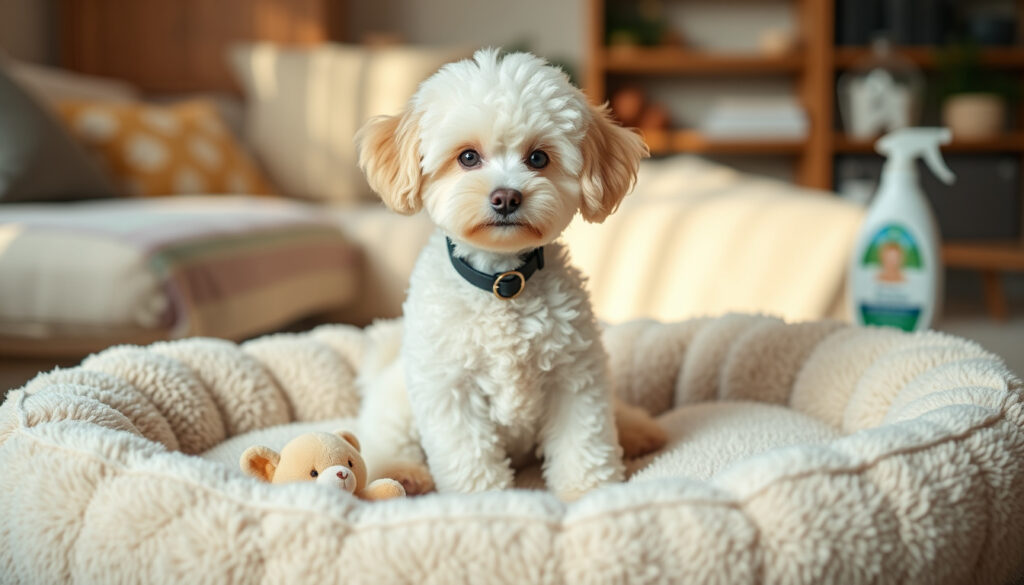
Toy Poodle: Lifespan, Care, and Ownership Tips
Few small breeds pack as much personality into such a small frame as the Toy Poodle. But behind the Instagram-worthy curls and celebrity status lies a dog with serious exercise and grooming needs — and in Ireland, a few legal requirements too.
Average lifespan: 12–15 years · Weight range: 4–6 kg (9–13 lbs) · Height: 20–25 cm (8–10 inches) · Coat type: Curly, hypoallergenic · Group: Toy (AKC) · Origin: Germany (developed as water retriever)
Quick snapshot
- Toy Poodle originates in Germany, bred as a water retriever (Royal Kennel Club (breed authority))
- Average lifespan 12–15 years (American Kennel Club (breed registry))
- Requires professional grooming every 4–6 weeks (PetMD (veterinary resource))
- Ranks second in working intelligence according to Coren’s research (AKC (breed registry))
- Exact historical transition from standard water dog to toy size is not fully documented
- Incidence of specific genetic diseases varies considerably by bloodline and region
- Optimal alone-time tolerance differs per individual dog and cannot be generalised
- ~1500s: Poodles appear in art as water retrievers in Germany (Royal Kennel Club)
- Early 1900s: Poodle bred down to toy size in England and France
- 1956: Toy Poodle first recognised by the American Kennel Club (AKC)
- Today: One of the most popular toy breeds worldwide
- Irish buyers: register for a dog licence (LocalGov.ie (Irish government guidance))
- Schedule first vet check and microchip appointment (LocalGov.ie (Irish government guidance))
- Invest in a quality small-breed food and grooming tools (LocalGov.ie (Irish government guidance))
Six key specs give a clear picture of what a Toy Poodle is — and isn’t.
| Attribute | Value |
|---|---|
| Height | 20–25 cm (8–10 inches) |
| Weight | 4–6 kg (9–13 lbs) |
| Coat | Curly, dense, hypoallergenic |
| Colors | Black, white, apricot, gray, brown, cream, red, sable |
| Life span | 12–15 years |
| Temperament | Alert, intelligent, energetic, faithful |
The implication: The Toy Poodle is a mid-sized toy breed in terms of longevity — significantly longer-lived than many terriers or brachycephalic breeds, but with maintenance requirements that match its smart, active nature.
Is a Toy Poodle a Good Dog?
Temperament and personality traits
- Exceptional intelligence: Toy Poodles rank second among all dog breeds in working and obedience intelligence, according to Stanley Coren’s landmark study (American Kennel Club (breed registry)).
- Affectionate and loyal: They bond closely with their family and thrive on human company (PetMD (veterinary resource)).
- Reserved with strangers: Without early socialisation, they may become wary or snappy (PetMD (veterinary resource)).
Toy Poodle vs other small breeds
- Compared to Yorkies and Chihuahuas, Toy Poodles are more trainable and less prone to barking — but require far more grooming.
- Unlike many terriers, they have a softer temperament and are generally good with well-behaved children and other pets.
Ideal owner profile
- Someone who can commit to daily mental stimulation (puzzle toys, training) and at least 30–60 minutes of activity (PetMD (veterinary resource)).
- A home where the dog is not left alone for more than 4–6 hours on a regular basis.
- Irish owners must also be ready for legal steps: microchip, ID tag, and a dog licence (LocalGov.ie (Irish government guidance)).
High trainability does not mean low effort. The same brain that makes them easy to house-train also makes them prone to boredom and destructiveness when left alone.
What Are the Cons of a Toy Poodle?
Health concerns common in Toy Poodles
- Prone to progressive retinal atrophy, hip dysplasia, luxating patella, and skin conditions such as atopic dermatitis (Pedigree (pet food brand with breed health overview)).
- Small breeds are particularly susceptible to dental disease — daily brushing is strongly advised (PetMD (veterinary resource)).
- Heart disorders and digestive problems also appear in the breed (Pedigree (pet food brand with breed health overview)).
Grooming demands
- The continuously growing curly coat needs daily brushing to prevent matting (PetMD (veterinary resource)).
- Professional grooming every 4–6 weeks is essential (PetMD (veterinary resource)).
- Most Toy Poodles should be bathed every 2–4 weeks (PetMD (veterinary resource)).
Separation anxiety and noise
- Toy Poodles are prone to separation anxiety and can develop destructive behaviour if left alone for long periods (PetMD (veterinary resource)).
- They are alert barkers — will sound off at strangers or unusual noises — but this is manageable with training and exercise.
Low exercise needs on paper do not translate to a low-maintenance pet. The combination of grooming cost, health screening, and potential separation issues often surprises new owners — especially in urban Irish apartments where alone time is unavoidable.
What Is the Lifespan of a Toy Poodle?
Average lifespan range
A healthy Toy Poodle typically lives 12–15 years, with many reaching their late teens (American Kennel Club (breed registry); PetMD (veterinary resource)).
Factors that influence longevity
- Regular veterinary check-ups and a balanced diet extend lifespan significantly.
- Responsible breeding practices — including OFA hip and eye screening — reduce inherited disease risk.
- Dental care is critical: small breeds are prone to periodontal disease, which can affect the heart and kidneys if untreated (Valivans Club (dog care blog)).
Common age-related ailments
- Heart disease (mitral valve degeneration) becomes more common after age 10.
- Dental issues such as tartar build-up and gum disease are prevalent.
- Arthritis and vision loss may occur in senior years.
Can Toy Poodles Be Left Alone for 8 Hours?
Separation anxiety in Toy Poodles
Toy Poodles form strong bonds and do not tolerate long absences well. Leaving them alone for a full 8-hour workday can lead to destructive chewing, excessive barking, and house-soiling (PetMD (veterinary resource)).
Training techniques for alone time
- Crate training provides a safe den that reduces anxiety.
- Puzzle toys and treat-dispensing games keep the mind occupied.
- Gradual desensitisation — leaving for short periods and extending — builds tolerance.
Alternatives to long absences
- A dog walker or daycare can fill gaps during a 9-to-5 schedule.
- Some Irish owners split shifts or come home at lunch to break the day.
For single professionals in Dublin or Cork with a long commute, a Toy Poodle may not be the best match unless you arrange midday care or choose a more independent breed.
What Is the Best Food for Poodles?
Nutritional requirements for Toy Poodles
- High-quality dog food with a named animal protein as the first ingredient (Muenster Pet (pet nutrition specialist)).
- Small kibble size is important because of their small jaws and teeth.
- Toy Poodles benefit from a diet formulated for small breeds with appropriate calcium-to-phosphorus ratio.
Recommended commercial diets
- Look for brands that list chicken, lamb, salmon, or duck as the first ingredient.
- Avoid artificial preservatives (BHA, BHT), by-products, and fillers.
Homemade diet considerations
If cooking at home, include lean protein, complex carbs (brown rice, sweet potato), and vegetables. Consult a veterinary nutritionist to avoid imbalances.
Vegetables safe for dogs
- Carrots, green beans, sweet potatoes, and pumpkin are excellent treats (PetMD (veterinary resource)).
- Grapes, raisins, onions, garlic, and chocolate are toxic — avoid completely.
- Xylitol (common in sugar-free foods) is highly dangerous.
Do Toy Poodles Bark a Lot?
Why Toy Poodles bark
They are alert dogs by nature — bred to be watchdogs. They bark at doorbells, strangers, and sudden noises (PetMD (veterinary resource)).
Training to reduce nuisance barking
- Positive reinforcement for quiet behaviour works best.
- Mental exercise (obedience, puzzle toys) often reduces boredom barking.
- Desensitisation to common triggers (mail delivery, passing dogs) helps.
Breed-related vocalisation tendencies
Toy Poodles are not among the most excessive barkers — they are quieter on average than terriers and Chihuahuas — but they are certainly not silent. Consistency in training is key.
A quiet Toy Poodle is often an under-stimulated one. The same dog that barks at the wind may be perfectly silent if given enough mental enrichment — but expect vocal alerts when someone approaches your Irish front door.
Upsides
- Extremely intelligent and easy to train
- Affectionate with family
- Hypoallergenic coat (low dander)
- Long lifespan (12–15 years)
- Adaptable to apartment living
- Relatively quiet compared to many small breeds
Downsides
- High grooming cost and time commitment
- Prone to separation anxiety
- Health issues (eye, hip, skin, teeth) need screening
- Can be wary of strangers
- Not ideal for homes with very young children
- Requires mental stimulation to avoid destructive behaviour
The decision hinges on one question: can you match its need for attention and grooming? If yes, the Toy Poodle rewards you with a loyal, smart, long-lived companion. If no, you are better off with a lower-maintenance breed.
Clarity: Confirmed vs Unclear
Confirmed facts
- Toy Poodle originates from Germany as a water retriever (Royal Kennel Club (breed authority)).
- Average lifespan 12–15 years (AKC (breed registry); PetMD (veterinary resource)).
- Requires professional grooming every 4–6 weeks (PetMD (veterinary resource)).
- Ranks second in working intelligence (Coren).
- Irish dogs >4 months old need a dog licence (LocalGov.ie (Irish government guidance)).
- Microchipping compulsory in Ireland (LocalGov.ie (Irish government guidance)).
What’s unclear
- Exact historical process of miniaturisation is not fully recorded.
- Prevalence of specific genetic diseases varies by bloodline and geography.
- Ideal alone-time duration differs per individual dog.
- Long-term impact of early spay/neuter on joint health in toy poodles.
Toy Poodles are extremely intelligent and easily trained.
— American Kennel Club (breed standard authority)
The Poodle originates in Germany, where it was bred as a water retriever.
— Royal Kennel Club (breed standard authority)
Toy Poodles are prone to watery eyes, digestive problems, heart disorders, and skin conditions.
— Pedigree (pet care brand with breed health overview)
Best dog food for Poodles includes high-quality animal protein as the first ingredient.
— Muenster Pet (pet nutrition specialist)
The Toy Poodle is no low-maintenance lapdog — it is a highly intelligent, high-grooming breed that thrives on attention and structure. For the right owner in Ireland — someone who can budget for professional grooming, provide daily mental exercise, and arrange cover during long work hours — the reward is a devoted, long-lived companion that rarely triggers allergies. For those unable to meet those needs, the choice is clear: pick a breed that demands less, or prepare to adapt your life to your new four-legged house-mate.
help.dogs.ie, citizensinformation.ie, assets.gov.ie, anpost.com, dog.ie, wicklowanimalwelfare.ie
Frequently asked questions
How much exercise does a Toy Poodle need?
30–60 minutes of activity daily, including walks and play. Mental stimulation (puzzle toys, training) is equally important (PetMD (veterinary resource)).
Are Toy Poodles good with children?
Yes, with older children who know how to handle a small dog gently. Not recommended for homes with toddlers due to risk of injury (AKC (breed registry)).
How often should I groom a Toy Poodle?
Daily brushing and professional grooming every 4–6 weeks. Bathing every 2–4 weeks (PetMD (veterinary resource)).
Do Toy Poodles shed?
They shed very little and are considered hypoallergenic, but no dog is completely shed-free (AKC (breed registry)).
What is the difference between Toy and Miniature Poodle?
Height: Toy Poodles are under 25 cm (10 inches), while Miniature Poodles are 25–38 cm (10–15 inches). Weight and proportions differ accordingly (AKC (breed registry)).
Can Toy Poodles be potty trained easily?
Yes, their high intelligence and eagerness to please make them one of the easiest breeds to house-train. Consistency is key (PetMD (veterinary resource)).
Are Toy Poodles hypoallergenic?
Yes, their curly coat produces less dander than many breeds, making them a better choice for allergy sufferers. But no breed is 100% hypoallergenic (AKC (breed registry)).
What health tests should Toy Poodle breeders perform?
Reputable breeders test for progressive retinal atrophy (PRA by DNA), hip dysplasia (OFA), luxating patella, and eye exams by a veterinary ophthalmologist (PetMD (veterinary resource)).
Related reading: Water Bottles Ireland: Best Buyers Guide 2025 · Bar Tables Buying Guide: Heights, Styles & Irish Shops
More related posts
 Catherine O’Hara Death: Facts vs Rumors on Cause
 Hannah Ferguson: Biography, Age, Net Worth, and Career
 Jimmy Savile Abuse Scandal: Verified Facts & Official Sources
 Karen Read Verdict 2025: Not Guilty in Retrial
 Paula Abdul’s Health, Net Worth, and Career Facts
 Corey Fogelmanis: Gender, Relationship, Pronouns, and More
 David Dobrik: The Rise, Fall, and Life After Scandal
 25 Minute Timer – Free Apps and Setup Guide
