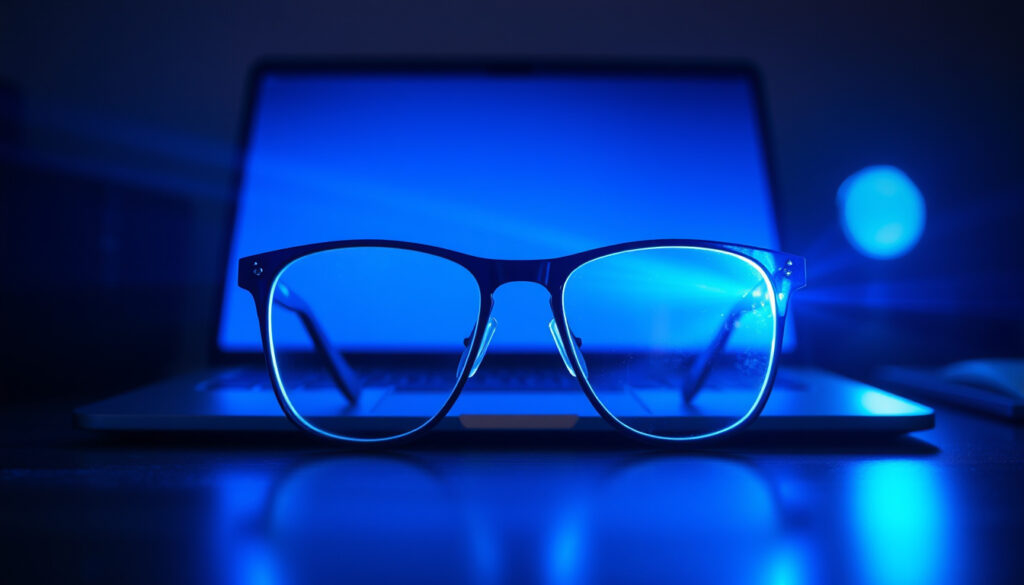
Blue Light Glasses – Do They Actually Work?
Blue light glasses have become a ubiquitous accessory in offices, gaming setups, and households worldwide. Marketed as a solution for digital eye strain, sleep disruption, and headaches caused by prolonged screen exposure, these tinted lenses command a significant share of the vision care market. Yet despite their popularity, scientific scrutiny of these products tells a more complicated story.
Manufacturers of blue light blocking eyewear claim that filtering high-energy visible light from digital devices can protect users from a range of symptoms associated with modern screen use. The market has expanded rapidly since the early 2010s, with options ranging from budget frames under twenty dollars to premium pairs exceeding one hundred dollars. Understanding what these products can and cannot do requires examining the underlying science and clinical evidence.
This investigation draws on randomized controlled trials, systematic reviews, and expert opinions from optometric and ophthalmological organizations to separate marketing claims from established facts about blue light glasses effectiveness.
Do Blue Light Glasses Actually Work?
The central question surrounding blue light glasses revolves around their clinical effectiveness. Multiple high-quality studies have attempted to measure whether these lenses deliver on their marketed benefits.
According to a 2023 Cochrane systematic review that searched available research through March 2022, blue light filtering lenses demonstrate probably little or no effect on visual performance, best-corrected visual acuity, or visual fatigue compared to non-filtering lenses.
Yellow-tinted lenses blocking 30-60% of blue light wavelengths (400-450nm)
Reduced digital eye strain and improved sleep quality
Minimal proven relief for most users per AAO guidance
Heavy screen users experiencing specific circadian rhythm issues
Scientific Evidence on Eye Strain
Randomized controlled trials consistently demonstrate that blue light blocking lenses provide no meaningful relief from digital eye strain symptoms. A 2021 study involving 120 computer users revealed identical eye strain scores after two hours of screen exposure, regardless of whether participants wore blue blockers or clear placebo glasses. Both groups believed they were wearing filtering lenses, which highlights the role of expectation in user satisfaction.
The 2023 Cochrane review examined visual fatigue outcomes across controlled trials and found moderate-certainty evidence suggesting no significant difference between filtering and non-filtering lenses for visual fatigue measurements. Mayo Clinic researchers note that up to 69% of digital device users experience computer vision syndrome symptoms, yet blue light glasses provide no significant improvement in these conditions.
An industry-funded study from 2017 involving 80 participants reported subjective benefits such as reduced glare in approximately one-third of users after one month. However, these findings conflict with independent research findings and may reflect placebo effects or expectation bias rather than optical filtering benefits.
- Randomized trials show identical outcomes between blue blockers and regular lenses
- Moderate-certainty evidence finds little to no effect on visual fatigue
- User satisfaction often stems from expectations rather than optical performance
- Independent studies consistently contradict industry-funded research
- Computer vision syndrome remains unaffected by blue light filtration
- Placebo-controlled studies suggest psychological rather than physiological benefits
- Cost-benefit analysis favors behavioral interventions over premium lenses
| Aspect | Finding |
|---|---|
| Blue Light Blockage (Clear Lenses) | 20-30% of wavelengths 415-455nm |
| Blue Light Blockage (Tinted) | Greater than 50% for wavelengths below 550nm |
| Visual Performance Impact | No significant difference vs. regular lenses (BCVA: MD 0.00 logMAR) |
| Eye Strain Relief | No proven reduction in RCTs |
| Headache Reduction | No consistent evidence across studies |
| Migraine Prevention | No established therapeutic benefit |
| Macular Protection | Not proven in clinical trials |
| Long-Term Harm Prevention | No evidence of retinal protection benefits |
Studies on Sleep Impact
Research examining blue light glasses effects on sleep presents a more nuanced picture, though evidence quality remains low. The theoretical basis for sleep benefits stems from blue light’s role in suppressing melatonin production and regulating circadian rhythms. However, clinical evidence remains limited to small, specialized populations.
A 2020 study of 20 bipolar patients found that blue blockers improved sleep efficiency over a seven-day period compared to clear glasses. A 2019 study involving 15 athletes reported shortened time to fall asleep when participants wore filtering lenses for three hours before bed, though total sleep duration and wakefulness showed no significant change.
The Cochrane review classified evidence for sleep quality and daytime alertness effects as very low certainty, drawing from only two trials with a combined 42 participants. Researchers note that heterogeneous populations and varied methodologies make drawing definitive conclusions difficult.
Healthcare professionals often point out that device “night mode” settings achieve similar blue light reduction at no additional cost, potentially undermining the value proposition of dedicated eyewear for sleep improvement purposes.
The McGill University Office for Science and Society notes that screen-emitted blue light does not pose the same public health concern as ultraviolet radiation. Major ophthalmological organizations emphasize ergonomics and behavioral modifications over optical filtration for addressing digital device-related discomfort.
What Are Blue Light Glasses and How Do They Work?
Blue light glasses are corrective or non-corrective eyewear designed with specialized lens coatings or tints intended to reduce exposure to high-energy visible light in the blue spectrum. Manufacturers claim these lenses filter wavelengths between approximately 400 and 500 nanometers, which digital devices emit in varying intensities.
Lens Technology Explained
Modern blue light filtering lenses employ several technologies to achieve wavelength filtration. Clear lenses with anti-reflective coatings typically filter between 20% and 30% of blue light in the 415-455 nanometer range. Amber, orange, and red-tinted lenses achieve significantly higher filtration rates, often blocking more than 50% of wavelengths below 550 nanometers.
Guidance from the College of Optometrists explains that tinted lenses may introduce color distortion, which increases with filtration intensity. Clear lenses produce minimal color shifting, making them more suitable for daytime use where color accuracy matters, while amber and red tints are typically marketed for evening use.
The lenses contain specialized coatings that selectively absorb or reflect blue wavelengths while allowing other visible light to pass through. Some premium options incorporate multiple layers designed to address various aspects of visual comfort, though these additional features have not demonstrated consistent clinical benefits in controlled studies.
Blue Light Sources
Understanding the context of blue light exposure helps frame the utility of filtering lenses. Natural sunlight remains the dominant source of blue light in most human environments, with solar emission intensity far exceeding that of artificial screens. The sun produces blue light across the full visible spectrum and beyond, while digital screens emit relatively modest amounts in comparison.
Digital devices including smartphones, tablets, computers, and televisions all emit blue light, though emission intensities vary by screen technology and settings. Modern LED-backlit screens typically produce peak emissions in the blue range, which manufacturers claim necessitates protection during extended use.
Environmental and professional sources include fluorescent office lighting, LED displays, and gaming monitors. Gamers represent a significant market segment for blue light glasses, with some manufacturers marketing specialized “gaming glasses” featuring enhanced filtration and gaming-specific lens tints.
Unlike ultraviolet radiation from sunlight, which optometrists and ophthalmologists agree requires eye protection, blue light from screens has not demonstrated comparable public health risks. Research from West Broward Eye Care notes that no evidence currently supports claims that screen-emitted blue light causes permanent retinal damage or macular degeneration.
Do Blue Light Glasses Help with Sleep and Eye Strain?
Consumer interest in blue light glasses centers largely on two promised benefits: reduced digital eye strain during work and improved sleep quality after evening screen use. Examining these claims requires distinguishing between subjective user reports and objective clinical measurements.
Benefits for Digital Eye Strain
Digital eye strain, also called computer vision syndrome, encompasses a range of symptoms including dryness, irritation, difficulty focusing, and general ocular fatigue. These symptoms affect the majority of individuals who spend extended hours viewing screens, with prevalence estimates reaching 69% among regular computer users.
The underlying causes of digital eye strain are well understood: reduced blinking during focused screen viewing, prolonged near-work demands on visual systems, improper viewing distances and angles, and screen glare. None of these root causes are specifically addressed by blue light filtration, which explains why lens-based interventions demonstrate limited effectiveness.
Evidence-based approaches to managing digital eye strain focus on environmental and behavioral factors. The 20-20-20 rule—taking a 20-second break to view something 20 feet away every 20 minutes—has demonstrated effectiveness in clinical settings. Proper monitor positioning, appropriate lighting, humidity control, and regular blinking exercises address actual causative factors rather than incidental light exposure.
Healthcare providers increasingly emphasize these proven interventions over optical products, noting that addressing underlying ergonomic and behavioral factors provides more meaningful relief than filtering blue wavelengths.
Sleep Cycle Protection
Blue light influences circadian rhythm regulation by signaling the brain that daytime conditions persist, thereby suppressing melatonin production and delaying sleep onset. This mechanism has led to widespread recommendations for reducing evening screen exposure and the corresponding interest in blue light filtering products.
Research findings on blue light glasses and sleep remain inconclusive. While some studies report subjective improvements in evening relaxation and sleep initiation, objective measurements of sleep quality, duration, and architecture show inconsistent results. Small sample sizes and specialized populations limit generalizability of positive findings.
The Cochrane review notes very low certainty evidence for sleep quality and daytime alertness improvements, with results varying significantly across studies. The mechanism appears biologically plausible, but clinical translation remains unproven for typical consumer populations.
Practical alternatives to dedicated blue light glasses include device-based solutions such as night mode settings, which reduce blue light emission at no additional cost. Reducing total evening screen time, maintaining consistent sleep schedules, and ensuring adequate sleep hygiene address circadian disruption through behavioral modification rather than optical intervention.
Are Blue Light Glasses Necessary and Which Ones to Buy?
For most consumers, blue light glasses represent an unnecessary expense when proven alternatives exist. The question of necessity depends heavily on individual circumstances, existing visual conditions, and specific use cases.
Who Needs Them Most
Evidence-based guidance suggests blue light glasses may offer limited benefits for specific populations. Individuals with diagnosed circadian rhythm disorders or those requiring late-night screen work for medical reasons might find marginal benefits from evening lens use. Some researchers suggest potential value for populations with bipolar disorder, though findings come from small-scale studies requiring validation.
For the general population engaged in typical office or home computer work, blue light glasses provide no demonstrated advantage over behavioral interventions. The evidence hierarchy for eye care recommends addressing refractive errors and binocular vision issues first, then applying ergonomic and tear film management strategies, before considering blue light filters for niche applications.
Children represent a population of particular concern given ongoing eye development. No specific evidence addresses blue light glasses effectiveness or safety in pediatric populations. Healthcare providers generally recommend prioritizing ergonomics and limiting screen exposure for developing eyes rather than relying on unproven optical interventions.
Top Features to Look For
Consumers determined to purchase blue light filtering lenses should focus on verifiable specifications rather than marketing claims. Lens filtration percentage provides the most concrete metric, with higher percentages generally indicating more aggressive filtering. However, evidence does not support the assumption that maximum filtration provides proportional benefits.
Clear lenses with anti-reflective coatings offer minimal color distortion and suit daytime use where color accuracy matters. Amber and orange-tinted lenses filter more blue light but introduce significant color shifting, making them more appropriate for evening use when color discrimination is less critical.
Quality construction, proper fit, and prescription compatibility matter more than marketing claims about blue light filtration. Frame durability, lens scratch resistance, and overall optical quality contribute more to user satisfaction than marginal differences in wavelength filtering.
Budget-conscious consumers should note that inexpensive options provide equivalent blue light filtration to premium products, as independent testing consistently fails to identify meaningful performance differences across price points for this specific feature.
| Aspect | Blue Light Glasses | Proven Alternatives |
|---|---|---|
| Eye Strain Relief | No significant reduction in clinical trials | 20-20-20 rule, proper ergonomics |
| Sleep Improvement | Limited subjective benefits, very low certainty evidence | Night mode settings, reduced pre-bed screen time |
| Cost-Effectiveness | Low value given minimal proven benefits | Free behavioral modifications |
| Color Accuracy | May be affected by tint selection | No impact |
| Long-Term Safety | No documented risks beyond minor color distortion | N/A |
The Evolution of Blue Light Glasses Technology
Understanding the trajectory of blue light filtering technology provides context for evaluating current products and future developments in this market segment.
- 2010s: Market emergence — Consumer awareness of digital device blue light grew alongside increasing screen time, creating demand for protective eyewear solutions.
- 2014: First dedicated brands — Several consumer-focused companies launched dedicated blue light filtering product lines, establishing the category in mainstream retail channels.
- 2020: COVID-19 pandemic impact — Remote work and distance learning dramatically increased screen exposure, accelerating market growth and introducing blue light glasses to new consumer segments.
- 2023 and beyond: Improved coatings and prescription options — Manufacturers developed more sophisticated lens technologies and expanded availability of prescription blue light filtering options, though fundamental effectiveness questions remained unresolved.
The market continues evolving with new materials and coatings, though independent reviews and skeptical analyses consistently identify the gap between marketing claims and clinical evidence for these products.
What We Know and What Remains Uncertain
Clear communication about certainty and uncertainty helps consumers make informed decisions about blue light filtering products.
- Clear lenses filter approximately 20-30% of blue light in the 415-455nm range
- Tinted lenses filter more than 50% of relevant wavelengths
- RCTs consistently show no significant benefit for eye strain vs. placebo
- Screen blue light does not pose UV-level public health concerns
- Color distortion increases with filtration intensity
- No proven protection against macular degeneration or retinal damage
- Long-term efficacy for sleep improvement remains unestablished
- Optimal filtration levels for any potential benefit unknown
- Effects on specific populations (children, elderly) inadequately studied
- Headache and migraine prevention claims lack supporting evidence
- Comparative effectiveness vs. software-based filtering unclear
- Future RCTs needed to clarify open questions in the evidence base
The Bigger Picture: Screen Time and Eye Health
Average daily screen time for adults exceeds seven hours in many developed countries, placing unprecedented demands on visual systems evolutionarily unprepared for such exposure. This context explains consumer interest in protective solutions, even when scientific evidence fails to support their efficacy.
Professional organizations including the American Academy of Ophthalmology and American Optometric Association emphasize that the primary concerns from prolonged screen use relate to ergonomic factors, dry eye from reduced blinking, and sustained near-work demands rather than blue light exposure specifically.
Annual comprehensive eye examinations remain essential for maintaining ocular health, regardless of screen exposure or blue light filtering product use. Uncorrected refractive errors, binocular vision dysfunction, and underlying ocular conditions may contribute to symptoms falsely attributed to blue light exposure.
“The evidence for blue light blocking spectacle lenses in reducing digital eye strain is currently insufficient to support their recommendation as a primary intervention.”
— College of Optometrists guidance document on evidence-based practice
“Unlike UV light, which we know is harmful to the eyes, blue light from screens is not considered a public health concern.”
— McGill University Office for Science and Society analysis
Making an Informed Decision
For consumers weighing whether to purchase blue light glasses, several factors merit consideration. Personal experience with symptom relief, specific occupational requirements, and individual preferences all play legitimate roles in purchasing decisions, even when clinical evidence fails to support universal recommendations.
Those experiencing persistent eye strain, sleep difficulties, or headaches should consult qualified eye care professionals rather than self-diagnosing blue light exposure as the cause. Comprehensive eye examinations can identify underlying conditions requiring specific treatment.
Practical, evidence-based strategies including the 20-20-20 rule, proper monitor positioning, adequate lighting, and regular blinking provide meaningful benefits at no cost. These interventions address confirmed causative factors rather than relying on unproven optical solutions.
Those seeking the latest insights into gaming technology and accessories may find the TheLaptopAdviser Expert Gaming – Trusted 2025 Reviews Guide a valuable resource for comprehensive product comparisons.
Frequently Asked Questions
Do blue light glasses work for children?
No specific studies address blue light glasses effectiveness in children. General adult evidence applies, though pediatric eye development raises additional safety questions. Prioritizing ergonomic limits on screen time and proper viewing distances is recommended over unproven optical interventions for young users.
How do blue light glasses compare to device night mode?
Device night mode settings reduce screen-emitted blue light similarly to dedicated glasses, at no additional cost. While glasses provide consistent filtration across all devices, night mode offers equivalent wavelength reduction for digital screen use without requiring additional equipment.
Can wearing blue light glasses cause headaches?
Headaches from blue light glasses typically relate to lens distortion, improper prescription, or expectation effects rather than the blue light filtration itself. Color distortion from tinted lenses may contribute to visual discomfort in some users.
How can I test if my blue light glasses actually work?
Consumer-accessible tests include viewing blue light test cards, using smartphone apps that measure screen blue emission with and without glasses, or employing spectrometry devices. However, these tests measure filtration rather than symptom improvement, which clinical trials consistently fail to demonstrate.
Do expensive blue light glasses work better than cheap ones?
Independent testing reveals minimal performance differences between budget and premium options for blue light filtration. Frame quality, lens durability, and optical clarity may differ, but filtration effectiveness shows no consistent correlation with price within the current market.
Should I wear blue light glasses all day?
Clear blue light filtering lenses may be worn throughout the day with minimal side effects beyond potential color temperature shifts. However, no demonstrated benefits support continuous wear, and afternoon removal likely causes no harm given the lack of proven protective effects.
What do optometrists recommend instead of blue light glasses?
Eye care professionals typically recommend the 20-20-20 rule, proper ergonomics, adequate room lighting, regular blinking, and artificial tears for dry eye as primary interventions for digital device-related discomfort. These approaches address confirmed causative factors.
More related posts
 Send to Kindle – Complete Email and App Guide
 Jessica Pegula: Husband, Net Worth, Ethnicity, and Career Highlights
 KFC Zinger Banh Mi Review: Does It Live Up to the Hype?
 Jesinta Franklin: Kids, Husband, Net Worth & Career Guide
 Iman Shumpert: NBA Career, Divorce, Net Worth, and Latest Updates
 Dan Murphy Near Me – Find Your Nearest Store & Specials
 Cameron Brink: Height, Age, Net Worth, and Steph Curry Connection
 Jack Ginnivan: Bio, Trade, Stats, Salary, and Personal Life
