Red Blood Cells: Function, Counts, Low/High Symptoms & Fixes
When a routine blood test flags low red blood cells, the whole body pays the price. This guide explains what these oxygen-carrying cells do, what normal ranges look like, and how to bring levels back up—drawing on Cleveland Clinic, Mayo Clinic, and peer-reviewed evidence.
Primary Function: Transport oxygen from lungs to tissues ·
Normal Range (Men): 4.5–5.9 million cells per µL ·
Normal Range (Women): 4.0–5.2 million cells per µL ·
Lifespan: About 120 days ·
Production Site: Bone marrow
Quick snapshot
- Oxygen delivery to tissues Medical News Today
- Carbon dioxide removal Medical News Today
- Support for energy production Medical News Today
- Biconcave disk shape Medical News Today
- No nucleus in humans Medical News Today
- Hemoglobin-filled interior Medical News Today
- Low count: Anemia Healthline
- High count: Polycythemia Virginia Oncology
- Cancer links like leukemia American Cancer Society
- Iron-rich diet Apollo 247
- Vitamin supplements Medical News Today
- Medical interventions American Cancer Society
These key facts about red blood cell biology come from multiple medical sources including Cleveland Clinic and Medical News Today.
| Fact | Detail |
|---|---|
| Scientific Name | Erythrocytes |
| Diameter | 6–8 micrometers |
| Hemoglobin Content | 97% of dry weight |
| Daily Production | 200 billion per day |
| Normal Lifespan | 120 days |
“Red blood cells are responsible for transporting oxygen from your lungs to your body’s tissues.”
— Cleveland Clinic, Health Library
What do red blood cells do?
Oxygen transport role
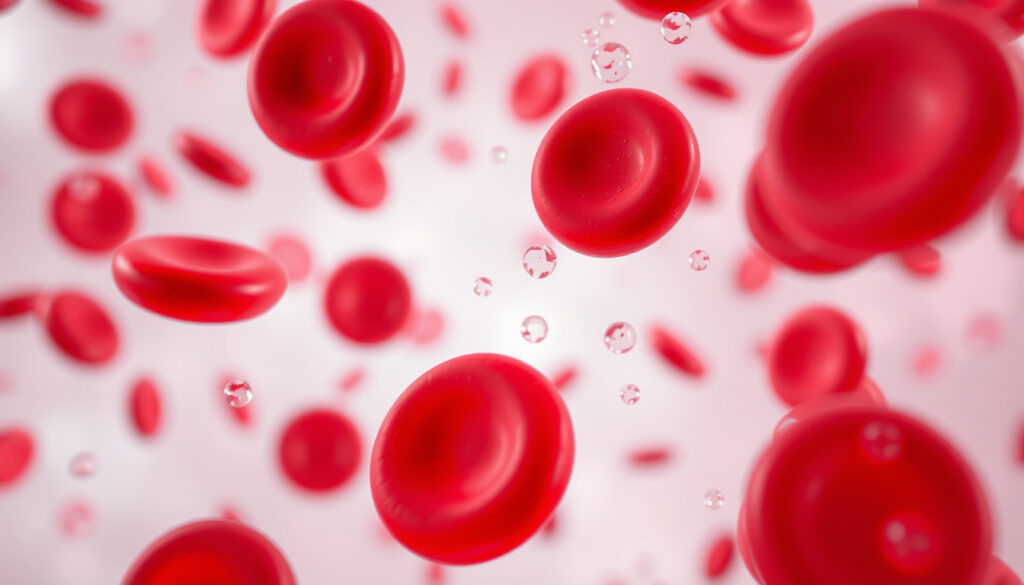
Red blood cells (RBCs), also known as erythrocytes, are the most common type of cell in the blood and are responsible for delivering oxygen to tissues throughout the body while transporting carbon dioxide back to the lungs Medical News Today. Their biconcave disc shape gives them a large surface area for gas exchange, letting them squeeze through even the narrowest capillaries.
Every organ depends on this delivery system. When RBCs fall short, no amount of exercise or supplements can fully compensate—the body simply runs out of its oxygen carrier.
Hemoglobin structure
Each RBC is packed with hemoglobin—a protein that binds to oxygen molecules Medical News Today. This iron-containing molecule gives blood its characteristic red color. The hemoglobin content makes up approximately 97% of the dry weight of a red blood cell Medical News Today.
Waste removal function
- Carbon dioxide (CO₂) produced by cells binds to hemoglobin and is carried back to the lungs
- The lungs exhale the CO₂, completing the gas exchange cycle
- This bidirectional flow keeps tissues from accumulating acidic waste
RBCs sacrifice their nucleus to make room for more hemoglobin—meaning they cannot divide or repair themselves. The bone marrow must produce new ones continuously to replace the roughly 200 billion that wear out each day Medical News Today.
The implication is that any disruption to bone marrow production cascades into systemic oxygen deprivation.
Bottom line: Red blood cells are biological delivery trucks for oxygen. Without enough of them, every tissue in the body stalls.
What happens if you have low red blood cells?
A low RBC count is known as anemia, a condition that forces the body to work harder to deliver oxygen to tissues Healthline. Poor diet is the primary cause of anemia in most people Cleveland Clinic.
Causes of low RBC
- Iron deficiency—iron is used to make hemoglobin Medical News Today
- Vitamin B12 or folate deficiency—prevents normal RBC maturation Medical News Today
- Chronic diseases such as kidney disease or cancer
- Blood loss from injury, surgery, or heavy menstruation
- Pregnancy (increased blood volume dilutes RBC concentration)
Symptoms including anemia
Symptoms include fatigue and trouble with usual activities American Cancer Society. The body compensates for reduced oxygen delivery by increasing heart rate and breathing rate, which can leave patients feeling winded even during mild exertion.
Anemia often develops slowly. Many people adapt to feeling tired without realizing their blood counts have dropped—a routine blood test is often the first sign.
Health risks
- Weakened immune system due to reduced oxygen for immune cells
- Heart strain as the heart works harder to compensate
- Cognitive effects including brain fog and difficulty concentrating
- In severe cases, heart failure or organ damage
The pattern here is clear: anemia doesn’t announce itself loudly. By the time symptoms feel severe, the deficit has been building for months.
Bottom line: Low RBC counts leave you tired, breathless, and at risk for organ damage if left untreated.
What is the normal range for red blood cells?
Normal ranges differ between men and women due to hormonal influences and typical body size differences.
Counts for men and women
- Men: 4.5–5.9 million cells per microliter (µL) Virginia Oncology Associates
- Women: 4.0–5.2 million cells per µL Virginia Oncology Associates
Concerning levels
Hemoglobin levels provide another view of oxygen-carrying capacity. Normal hemoglobin levels are 11.8 to 15.5 gm/dL for women and 13.5 to 17.5 gm/dL for men Virginia Oncology Associates. Readings below these ranges typically indicate anemia.
High vs low thresholds
- Low: Under 4.0 million cells/µL is often considered concerning Virginia Oncology Associates
- High: Above 6.0 million cells/µL may indicate polycythemia—a condition where the body produces too many RBCs, thickening the blood
Three key ranges, one consistent message: numbers outside the normal window warrant medical attention. Whether too low or too high, abnormal counts signal that something is affecting the bone marrow’s production schedule.
“The American Heart Association (AHA) recommends engaging in 150 minutes of moderate to intense physical activity each week, which supports healthy RBC production.”
— Medical News Today citing American Heart Association guidelines
Bottom line: Men need 4.5–5.9 million RBCs/µL; women need 4.0–5.2 million. Staying within range keeps oxygen flowing.
How do you fix a low red blood cell count?
Fixing a low RBC count typically starts with diet, moves to supplementation, and escalates to medical treatment only when necessary. Most improvements from natural methods become visible in 3–4 weeks and become significant in 2–3 months Medanta.
Dietary changes
- Iron sources: Red meat, liver, poultry, fish, shellfish, spinach, lentils, beans, tofu, pumpkin seeds, quinoa Apollo 247
- Vitamin B12 sources: Red meat, fish, shellfish, dairy, fortified cereals, nutritional yeast Medical News Today
- Folate sources: Beef liver, asparagus, brussels sprouts, spinach, oranges, peanuts, kidney beans Medical News Today
- Vitamin C sources: Kiwifruit, peppers, broccoli, strawberries, oranges, grapefruit—enhances iron absorption Medical News Today
- Vitamin A sources: Sweet potatoes, carrots, dark leafy greens, cantaloupe, mango—supports iron utilization Medical News Today
Heme iron from animal sources absorbs more efficiently than non-heme iron from plants. If you follow a plant-based diet, pair iron-rich foods with vitamin C sources to maximize absorption Apollo 247.
Medical treatments
- Iron supplements: Prescribed for iron deficiency anemia when diet alone is insufficient
- Vitamin B12 or folate supplements: Address specific deficiencies preventing normal RBC maturation Medical News Today
- Erythropoietin-stimulating agents: Drugs like Aranesp or Procrit that stimulate RBC production—used in cancer and kidney disease patients Virginia Oncology Associates
- Blood transfusions: Reserved for severe anemia or acute blood loss American Cancer Society
Lifestyle tips
- Exercise regularly: Aerobic activities like running, cycling, and swimming increase oxygen demand, stimulating RBC production Medical News Today
- Stay hydrated: Adequate water maintains blood volume and supports RBC function Medical Centric Podcast
- Avoid excess alcohol: Heavy drinking lowers RBC count; moderate limits are ≤2 drinks/day for men and ≤1/day for women Dietary Guidelines for Americans 2020-2025
- Quit smoking: Smoking and environmental toxins impair RBC production Medical Centric Podcast
A small 2017 study found that cardiovascular exercise (30 minutes, 3 times per week) combined with iron supplements increased RBC count more effectively than supplements alone Healthline. The body responds best when you attack anemia from multiple angles.
Bottom line: Diet, exercise, and medical treatments can restore RBC levels—natural methods take 3–4 weeks to show results, while severe cases may need transfusions.
What is the fastest way to increase red blood cells?
For rapid RBC restoration, medical interventions work faster than natural methods. Erythropoietin-stimulating agents can boost production within days, while blood transfusions provide immediate correction in crisis situations Virginia Oncology Associates.
Quick dietary boosts
- Beetroot juice: Provides iron, folate, and nitrates that improve blood flow and support RBC production Medanta
- Red meat and liver: Concentrated sources of heme iron absorb rapidly compared to plant-based options Apollo 247
- Protein-rich foods: Red meat, fish, chicken, dark greens, and beans provide building blocks for RBC synthesis American Cancer Society
Iron-rich drinks
- Fortified cereals mixed with milk or plant alternatives
- Smoothies with spinach, berries, and citrus for vitamin C to enhance absorption
- Beetroot and pomegranate juices for combined iron and antioxidant support
Medical interventions
- Erythropoietin injections: Prescribed by physicians for cancer patients and those with kidney disease Virginia Oncology Associates
- Iron IV therapy: Delivers iron directly into bloodstream for faster absorption in severe cases
- Blood transfusions: Reserved for life-threatening anemia or acute hemorrhage American Cancer Society
Supplements can cause excess iron buildup. Always consult a physician before starting any new supplement regimen Apollo 247.
What this means: the fastest route requires medical supervision. Natural methods support long-term recovery but cannot match the speed of pharmaceutical interventions for critical cases.
Bottom line: For rapid results, erythropoietin drugs or transfusions work fastest—but diet and supplements build sustainable RBC health over weeks.
Related reading: Marfan syndrome symptoms and red flags
Beyond normal ranges, low red blood cell count causes like anemia often manifest as fatigue and breathlessness, treatable via iron-rich diets.
Frequently Asked Questions
What are 5 signs of anemia?
Five common signs include: extreme fatigue and weakness, pale or yellowish skin, shortness of breath, dizziness or lightheadedness, and irregular heartbeat. These symptoms occur because your body lacks enough healthy RBCs to deliver adequate oxygen to tissues.
What is a dangerously low red blood cell count?
A count below 4.0 million cells/µL is generally considered concerning. For hemoglobin, levels below 11.8 gm/dL for women or 13.5 gm/dL for men may indicate dangerous anemia requiring prompt medical attention.
What drink is good for red blood cells?
Beetroot juice provides iron, folate, and nitrates that support RBC production. Pomegranate juice and fortified cereal drinks also help. Pair any iron-rich beverage with vitamin C sources for optimal absorption.
What not to eat with low red blood cells?
Avoid foods that inhibit iron absorption: tea, coffee, calcium-rich foods, and foods high in phytates (whole grains, legumes) when eaten alongside iron sources. Limit alcohol as it reduces RBC production.
Do red blood cells have a nucleus?
No. Human red blood cells lose their nucleus during maturation to make room for more hemoglobin. This allows each cell to carry more oxygen but means RBCs cannot divide or repair themselves.
What level of red blood cells is concerning?
Values outside the normal range warrant attention: below 4.0 million cells/µL or above 6.0 million cells/µL in adults typically require medical evaluation. Individual factors like age, sex, and health conditions influence what counts as concerning.
What are the first signs of leukemia in blood work?
Early signs include abnormal RBC counts (either very low or high), low platelet counts, and unusually high or low white blood cell counts. A complete blood count (CBC) revealing these abnormalities would prompt further testing for leukemia.
Overall, red blood cells function as the body’s essential oxygen delivery system. Keeping them in the normal range—4.5–5.9 million/µL for men and 4.0–5.2 million/µL for women—requires iron-rich foods, regular exercise, and medical intervention when counts drop dangerously low. Persistent fatigue or shortness of breath should prompt a visit to your healthcare provider for a complete blood count test.
More related posts
 Beef Mince Recipes for Quick Dinners & Health Tips
 Katie Piper: Blindness, Family, and How She Rebuilt
 Zoe Kravitz: Partner, Movies, Height, Family & More
 Peter Lalor: From Eureka Stockade Rebel to Parliament Speaker
 Sonny Angel Australia – Official Stores, Prices and Guide
 Crypto Market Cap: Live Total, Charts & Top Coins Today
 Natalie Nunn Biography: Age, Husband, Net Worth & Facts
