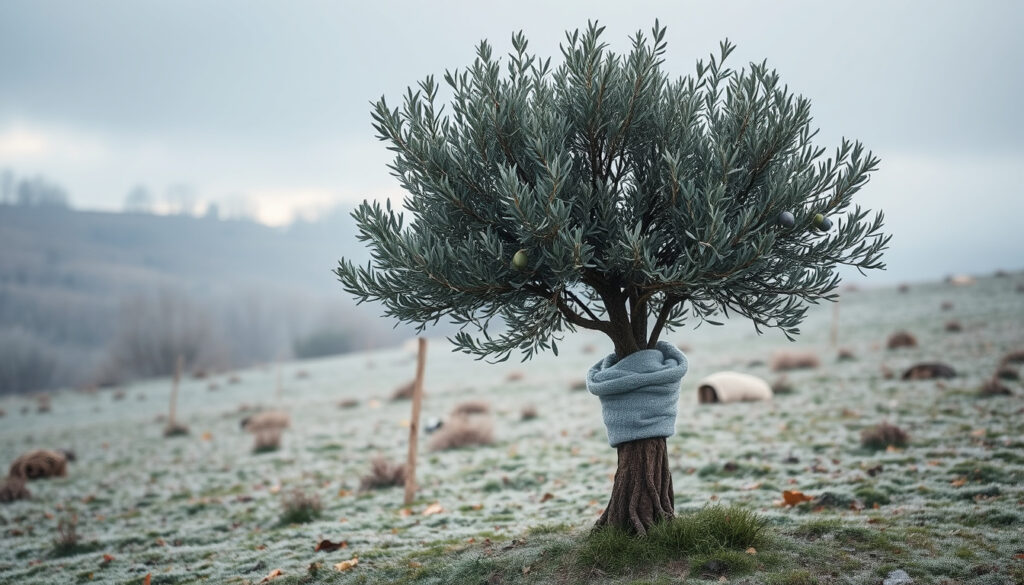
Olive Tree Care: Growing Tips for Cool Climates
The olive tree, that sun-drenched emblem of the Mediterranean, can actually thrive in cooler, wetter climates like Ireland’s—provided you know a few tricks. This guide walks you through the practical decisions, from choosing the right variety to watering schedules and winter protection, so you can grow your own with confidence.
Average lifespan: 500+ years ·
Time to first fruit: 3–5 years ·
Ideal hardiness zones: USDA 8–11 ·
Watering frequency (growing season): Every 1–2 weeks ·
Sunlight requirement: Full sun (6+ hours daily) ·
Mature height: 10–40 ft (3–12 m)
Quick snapshot
- Olive trees require full sun and well-drained soil (Windy Ridge Garden Centre (Irish nursery))
- They are frost-tender and need protection below 15°F (-9°C) (Homes & Gardens (gardening experts))
- Fruiting typically begins after 3–5 years (The Garden Shop (Irish retailer))
- Exact fruiting time varies by cultivar and local microclimate (Caragh Nurseries (Irish specialist))
- Optimal winter protection method depends on local weather extremes (Hermié (specialist blog))
- Long-term success in Ireland’s rainfall patterns is not well documented for all varieties (Irish Examiner (national newspaper))
- First fruit: 3–5 years after planting (Gardens4You Ireland (Irish retailer))
- Full production: 8–10 years (Plantlife Ireland (Irish nursery))
- Young trees may need fruit thinning (Newlands (Irish nursery))
- Choose a sheltered, south-facing spot (The Pavilion (Irish nursery))
- Decide pot vs. ground based on drainage and winter needs (Irish Examiner (national newspaper))
- Prepare winter protection before first frost (Homes & Gardens (gardening experts))
Six key facts to know before you start planting:
| Botanical name | Olea europaea |
|---|---|
| Origin | Mediterranean Basin |
| Hardiness | USDA zones 8–11 (needs protection in colder zones) |
| Mature height | 10–40 ft (3–12 m) |
| Sunlight | Full sun (minimum 6 hours daily) |
| Watering | Moderate; allow soil to dry between waters |
Can an olive tree grow in Ireland?
Yes, but with a few non-negotiable conditions. Irish nurseries consistently report that olive trees can survive and even thrive in Irish gardens if planted in a sunny, sheltered position with free-draining soil (The Pavilion, Irish nursery). The single biggest obstacle is not cold alone—it’s waterlogged soil combined with frost.
What are the challenges of growing olives in Ireland?
- Heavy, clay-like soil that retains moisture is a death sentence for olive roots in winter. Irish gardening guidance warns that olives “dislike wet, clay-like soil” and perform better when drainage is improved (Irish Examiner, national newspaper).
- Strong winds can damage foliage and dry out the tree. A south-facing or south-east-facing spot sheltered by walls or hedges is strongly recommended (Hermié, specialist blog).
- Cooler summers mean fruiting may be limited, but the tree itself can still be a beautiful ornamental.
Which olive varieties are most cold-hardy?
Cold-hardy cultivars like ‘Arbequina’ and ‘Frantoio’ are frequently recommended for cooler climates. Caragh Nurseries states that olive trees are hardy to around -15°C and can be grown in Ireland without fleece to that temperature (Caragh Nurseries, Irish specialist). However, another Irish retailer lists tolerance down to about -9°C (The Garden Shop, Irish retailer). The variation suggests microclimate and soil moisture play a huge role.
For an Irish gardener, the coldest night of the year is less dangerous than a wet January. Keep roots dry, and your tree can survive a hard frost.
The implication: Ireland is not the Mediterranean, but with variety selection and site preparation, olive trees can be a rewarding, long-lived addition to your garden.
Where does an olive tree grow best?
Olive trees are sun-worshippers. The RHS (Royal Horticultural Society) states they need a “well-drained, sheltered spot in full sun.” In practical terms, that means at least 6 hours of direct sunlight daily, protection from north and west winds, and soil that never stays soggy.
What climate is ideal for olive trees?
- Mediterranean: hot, dry summers and mild winters (USDA zones 8–11).
- In cooler zones, full sun is even more critical to ripen wood and encourage flowering.
- Shade reduces flowering and fruit set dramatically.
Can olive trees grow in shade?
Technically, a tree can survive in partial shade, but it will produce fewer flowers and almost no fruit. If you’re growing for ornamental value, light shade is acceptable; if you want olives, full sun is non-negotiable.
The trade-off: A shaded tree becomes a leafy green sculpture—beautiful, but not productive. Know your goal before you plant.
Are olive trees better in pots or ground?
This is the central decision for any olive grower in a cool, wet climate. The answer depends on your soil, your winter plans, and your patience.
What are the advantages of potted olive trees?
- Portability: you can move the tree to a cool greenhouse, porch, or sheltered corner for winter (Plantlife Ireland, Irish nursery).
- Drainage control: pots eliminate the risk of waterlogged soil, which is the primary killer in Irish winters.
- Containers warm up faster in spring, encouraging earlier growth.
What are the benefits of planting in the ground?
- Larger root system means a bigger, more resilient tree over time.
- Less frequent watering needed once established.
- Mature trees can stay outdoors with minimal protection if the site is right (Gardens4You Ireland, Irish retailer).
Three key differences, one pattern:
| Factor | Potted | In-ground |
|---|---|---|
| Winter mobility | Easy to move indoors or to shelter | Fixed; needs fleece or mulch |
| Watering frequency | Every 1–2 weeks in summer, less in winter | Less frequent once established |
| Root space | Limited by pot size; repot every 2–3 years | Unlimited; supports larger tree |
| Risk of waterlogging | Low (with drainage holes) | Higher if soil is heavy |
| Long-term size | Stays smaller (3–6 ft typical) | Can reach 10–40 ft |
The pattern: Pots trade ultimate size for control and safety. In-ground trees trade convenience for potential grandeur.
Upsides
- Pots: portable, better drainage, easier winter care
- Ground: larger tree, less watering, more natural look
Downsides
- Pots: need frequent watering, repotting, limited root space
- Ground: risk of waterlogging, harder to protect from frost
How do you take care of an olive tree?
This is where the rubber meets the road. Olive tree care breaks down into watering, winter protection, pruning, and feeding. Get these right, and your tree will reward you for decades.
How often should you water an olive tree?
- During the growing season (spring to early autumn), water deeply every 7–10 days, allowing the soil to dry out between waterings. The University of California Agriculture (academic research) recommends this schedule for young trees.
- Reduce to once a month in winter, and only if the soil is dry. Overwatering in cold weather is the most common mistake.
- For potted trees, The Pavilion advises that “container plants need less water in winter.”
Do I need to cover my potted olive tree in winter?
Yes, if temperatures drop below -5°C (23°F) for more than a few hours. For potted trees, the easiest solution is to move them to a cool greenhouse, garage, or porch (Plantlife Ireland, Irish nursery). For in-ground trees, wrap the trunk and canopy with horticultural fleece or burlap, and apply a thick mulch layer around the base (Homes & Gardens, gardening experts).
How to prune an olive tree?
- Prune in late winter or early spring, before new growth begins.
- Remove dead, diseased, or crossing branches first.
- Thin the canopy to allow light and air circulation—this improves fruiting.
- Irish guidance says olive trees are “slow-growing and do not require much pruning” (Newlands, Irish nursery).
How many years do olive trees take to fruit?
Patience is a virtue here. Most olive trees begin producing fruit 3–5 years after planting (The Pavilion, Irish nursery). Full commercial production is reached at 8–10 years.
When do olive trees start producing fruit?
- First fruit: 3–5 years (depending on cultivar and care).
- Young trees may produce only a handful of olives initially.
- Full production: 8–10 years.
How to encourage fruiting?
- Maximize sunlight: every hour of extra sun improves flower bud formation.
- Prune annually to open up the canopy.
- Fertilize with a balanced feed (e.g., 10-10-10) once in spring.
- Young trees may need fruit thinning to prevent branch damage and support growth.
The catch: In Ireland’s cool summers, even with perfect care, fruit set may be lower than in hot climates. But the tree itself is a stunning ornamental—and if you get a few olives, consider it a bonus.
Olive trees are commonly described by Irish nurseries as suitable for Irish gardens if planted in a sunny, sheltered position with free-draining soil.
Our olive trees are cold resistant for southern regions but need winter protection in the north.
Olives need a well-drained, sheltered spot in full sun.
Young olive trees should be watered every 7–10 days in summer.
For anyone in Ireland or a similar cool, wet climate, the choice is clear: start with a pot, protect it from the wet, and give it as much sun as you can. The ground option is for the bold who have perfect drainage and a sheltered spot. Either way, you’ll be growing a piece of the Mediterranean – with a few extra layers of fleece.
youtube.com, gardens4you.ie, newlands.ie, caraghnurseries.ie
Frequently asked questions
What is the best olive tree variety for pots?
Dwarf or compact varieties like ‘Arbequina’ and ‘Frantoio’ are ideal for pots because they stay smaller and adapt well to container life. ‘Picual’ is also a good choice for its hardiness.
How do I know if my olive tree is getting enough water?
Check the soil 2–3 inches below the surface. If it’s dry, water deeply. If it’s still moist, wait. Drooping leaves can indicate either overwatering or underwatering, so always check soil before watering.
Can I grow olives indoors?
Yes, but only if you have a very bright south-facing window or a grow light. Olive trees need full sun; without it, they become leggy and rarely flower. A cool conservatory is ideal.
Do olive trees need a lot of fertilizer?
No. A balanced slow-release fertilizer once in spring is usually sufficient. Over-fertilizing, especially with nitrogen, can encourage leafy growth at the expense of fruit.
How to tell if an olive tree is dead after winter?
Scratch the bark on a branch. If it’s green underneath, the tree is alive. If it’s brown, try another branch. Also check the trunk base. Even if top growth is dead, the roots may survive and resprout.
Should I bring my potted olive tree inside in winter?
Only if temperatures drop below -5°C (23°F) for extended periods. A cool, unheated greenhouse or porch is better than a warm living room, because olive trees need a winter rest period.
How often should I repot my olive tree?
Every 2–3 years, or when you see roots emerging from the drainage holes. Go up one pot size and use a well-draining potting mix with added grit.
More related posts
 Flight Radar 24 – How Global Flight Tracking Works
 Galaxy Z Flip to Buy: Best Deals and Prices in Ireland
 Thomas Shelby: Real Person? Biography, Age, Death & Romani Roots
 Pakistan National Cricket Team vs West Indies Cricket Team Match Scorecard – Dramatic 5-Wicket Victory
 Luke Kidgell: Biography, Tour Dates & Comedy Career
 Best Free Audiobooks: Where to Listen Legally (2024 Guide)
 Billy Crudup Relationship History: Who He Left for Claire Danes
 Howie Mandel: Collapse, OCD Diagnosis & Health Updates
